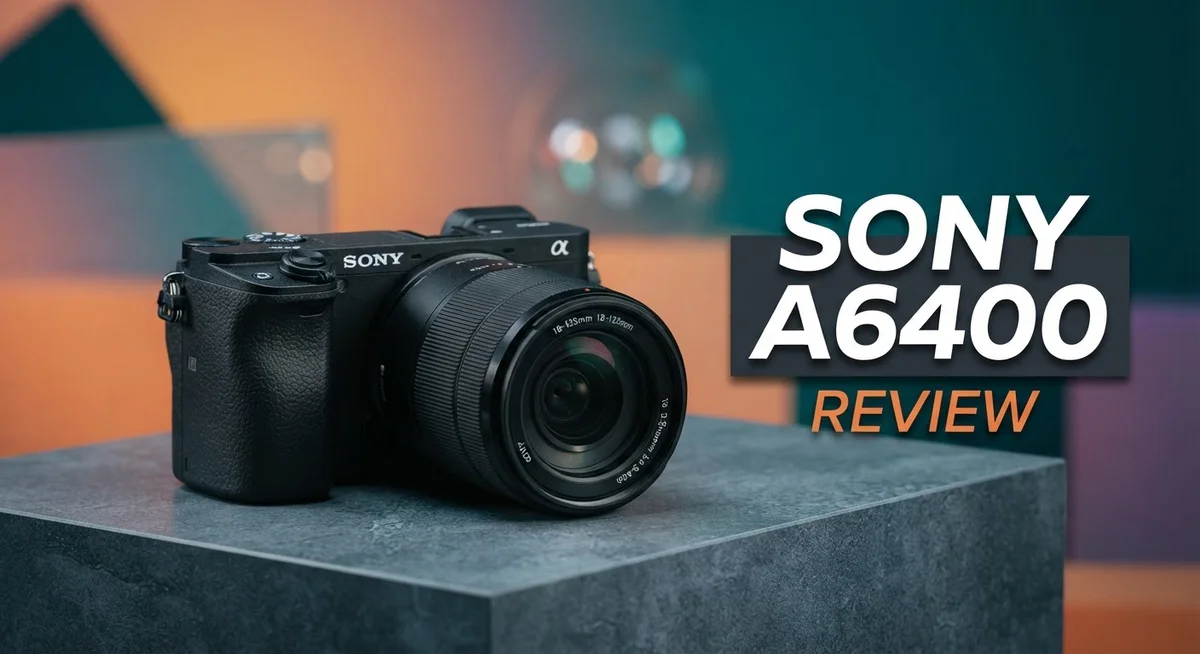
Sony A6400 Review: Is It Worth Your Money?
Looking for a camera that keeps up with fast moving life? The Sony A6400 might be your answer. This mirrorless camera packs serious power into a small body.
It features a 24MP APS-C sensor and the BIONZ X processor. Together, they create sharp, detailed images every time.
What makes this camera stand out? Its Real-time Eye AF uses AI to track subjects with amazing accuracy. Whether you shoot people, pets, or fast action, focus stays locked on.
The A6400 also shoots stunning 4K video. Content creators and vloggers will love the flip up touchscreen too.
Built with a magnesium alloy body, this camera handles tough shooting conditions well. Sealed buttons and dials protect it from dust and moisture.
In this review, we explore every feature of the Sony A6400. You will learn why photographers and video creators trust this camera daily. Let’s find out if it fits your creative needs.
In a Nutshell
Here’s a quick summary of what the Sony A6400 brings to the table:
- Autofocus that just works. The tracking system locks onto subjects fast and stays accurate, even in tricky lighting.
- RAW shooting feels snappy. Photos process quickly, though some users notice buffer lag during long bursts.
- No in-body stabilization. You will need a stabilized lens or a steady hand for smooth shots.
- Compact and travel friendly. The small size makes it easy to carry all day without feeling weighed down.
- Lens options are huge. Sony’s E-mount lineup gives you tons of choices for portraits, landscapes, or action shots.
- Manual controls feel a bit limited. Some photographers may want more dedicated dials for quick adjustments.
- Stacks up well against rivals. Compared to the Canon M50 and Panasonic GX9, the A6400 holds its own in autofocus speed and build quality.
This camera suits photographers who want reliable performance without extra bulk.
Sensor and Image Quality
The 24MP APS-C CMOS sensor sits at the heart of what makes this camera tick. It captures sharp, detailed images across a wide range of lighting conditions. The sensor works hand in hand with the BIONZ X processor to deliver fast, clean results without unnecessary noise.
When you shoot in daylight, colors pop with natural vibrancy. The sensor handles highlights well and preserves detail in shadows. This balance matters when you’re shooting portraits or landscapes where every tone counts.
Low light performance deserves special attention here. The sensor performs admirably in dim environments, though you’ll want to watch your ISO settings for best results. Push it too high, and grain becomes visible. Keep it moderate, and you get usable images that don’t require heavy editing.
The Real-time Eye AF system works with this sensor to lock onto faces and eyes with precision. This combination means your subjects stay in focus even when they move around. Video creators especially appreciate this feature since it reduces focus hunting during recording.
RAW file handling shows the sensor’s capability. You can shoot RAW bursts and maintain decent speed, though the buffer does fill up during extended sequences. This matters if you shoot sports or wildlife where every frame counts.
Dynamic range sits in the middle of the mirrorless pack. You get good separation between bright and dark areas, but not unlimited flexibility in post-processing. Smart exposure choices during shooting help maximize what the sensor can deliver.
The 3-inch touchscreen displays what the sensor captures with 921.6k dots of resolution. You see colors accurately and details clearly when reviewing images. The 180-degree tilt helps you frame shots from awkward angles without guessing.
One thing to note: this sensor lacks in-body stabilization. You rely on lens stabilization or steady hands for smooth handheld shots. This design choice keeps the body compact and lightweight, which many photographers appreciate.
Overall, the sensor and processor combo produces images that satisfy both casual shooters and serious enthusiasts. The results feel modern, clean, and ready for sharing or printing.

- 20.1MP stacked back illuminated 1" Exmor RS CMOS sensor w/ DRAM, large aperture 24-70mm...
- Enhanced subject capture: wide 425 Phase/ 425 contrast detection points over 84 percent of...
Last update on 2026-09-26 / Affiliate links / Images from Amazon Product Advertising API
Autofocus and Eye-Tracking Technology
Real-time Eye AF stands out as the A6400’s most impressive autofocus feature. This AI-powered system locks onto human eyes with remarkable speed and accuracy. Even when your subject moves across the frame, the camera stays locked on their eyes.
How does it work? The BIONZ X processor analyzes the scene in real time. It recognizes eye patterns and prioritizes them above everything else. This means you can focus on composition instead of chasing focus points.
Eye tracking performs exceptionally well in video mode too. You can film interviews or vlogs without worrying about focus drift. The camera maintains lock even when subjects turn their heads or move closer to the lens. This feature alone makes the A6400 a top choice for content creators.
The autofocus system goes beyond eye tracking. The camera offers 425 phase-detection AF points across the sensor. These points cover most of the frame, giving you flexibility in where you focus. You can tap the touchscreen to instantly shift focus to any area.
Tracking speed impresses in real world shooting. Whether you photograph fast moving animals or athletes, the AF system keeps up. Subject recognition works for people, animals, and vehicles. The camera rarely hunts for focus or loses lock unexpectedly.
One thing to note: the AF system performs best in adequate lighting. In very dark conditions, focus acquisition slows down slightly. This is normal for mirrorless cameras at this level.
The touchscreen plays a key role in the autofocus experience. You can swipe to shift focus points or tap to focus instantly. This tactile control feels natural and speeds up your workflow.
For hybrid shooters, the AF system excels. Photo autofocus feels responsive and snappy. Video autofocus remains smooth and predictable. You won’t experience jarring focus jumps during recording.
The A6400’s autofocus and eye tracking system sets it apart from competitors. It delivers professional results without requiring deep technical knowledge. Whether you shoot stills or video, this camera makes focusing feel effortless and reliable.
Design, Build Quality, and Ergonomics
The A6400 feels solid in your hands. Sony built this camera with a magnesium alloy body that resists dents and scratches. The sealed buttons and dials keep dust and moisture out, so you can shoot in less than ideal conditions without worry.
The grip sits comfortably against your palm. Your fingers wrap around the handhold naturally, making long shooting sessions feel less tiring. The camera weighs just over a pound, so carrying it all day becomes second nature.
The 3 inch touchscreen tilts 180 degrees, which opens up creative angles. You can flip it up for selfies or down for low angle shots. The 921.6k dot resolution keeps everything sharp and clear when you frame your shots. Touch controls respond quickly, so menu navigation feels smooth.
The button layout makes sense right away. The shutter release sits where your finger expects it. The mode dial and exposure compensation dial are easy to reach without taking your eye off the viewfinder. Dedicated buttons for autofocus, metering, and drive modes sit within arm’s reach.
One thing stands out: the compact design doesn’t sacrifice durability. This camera handles daily use without feeling fragile. The materials feel premium, not cheap. Build quality matches cameras that cost significantly more.
The headphone jack and microphone terminal sit on the side. These ports let you monitor audio while recording video. The USB port charges your battery, and the HDMI output connects to external monitors for professional work.
Weather sealing on buttons and dials means you can shoot in light rain or dusty environments. While the body isn’t fully weatherproof, it offers real protection for outdoor adventures.
Ergonomics shine here. Whether you have small hands or large ones, the A6400 adapts to your grip style. The camera doesn’t feel cramped or oversized. It strikes that rare balance between portable and functional. You get a professional tool that doesn’t demand a gym membership to carry around.
Top 3 Alternatives
Canon EOS M50 Mark II

- Canon USA Authorized. Items Include: Canon EOS M50 Mark II Mirrorless Camera with 15-45mm...
- Capture high-quality images and video with the Canon EOS M50 Mark II featuring a 24.1MP...
Last update on 2026-09-25 / Affiliate links / Images from Amazon Product Advertising API
This camera brings solid performance for content creators. The autofocus system tracks subjects smoothly, making it great for video work. You get 4K recording at 24p and full HD at up to 120p. The flip-out screen helps when filming yourself. Battery life runs decent for a mirrorless model. The compact size fits easily in bags. Colors look natural straight from the camera.
Fujifilm X-T30 II

- Bundle Items Include: 1 x FUJIFILM X-T30 II Mirrorless Camera with XC 15-45mm OIS PZ Lens...
- Exceptional Image Quality in a Compact Form: The 26.1MP APS-C X-Trans BSI CMOS 4 Sensor...
Last update on 2026-09-25 / Affiliate links / Images from Amazon Product Advertising API
Fujifilm cameras have a reputation for film simulations, and this model delivers. The image quality feels film-like right away. You shoot in 4K at 30p and enjoy fast autofocus with 425 focus points. The viewfinder shows a clear, bright image. The body feels premium and sturdy. Battery life improves over the first version. Photographers love the manual controls and dial layout.
Nikon Z fc

- Superb image quality: 20.9 MP DX CMOS sensor paired with EXPEED 6 processing engine
- Vlogger Ready: 4K UHD, Flip out Vari-angle LCD, full time AF with eye detection, built-in...

Last update on 2026-09-25 / Affiliate links / Images from Amazon Product Advertising API
Nikon’s Z fc brings retro styling with modern features. The autofocus performs excellently in low light. You get 4K video recording and solid battery performance. The camera feels light and portable. The control layout puts important settings at your fingertips. Video stabilization keeps footage smooth. The color science produces pleasing results for everyday shooting.
Each option serves different needs. Canon suits vloggers who want easy screen access. Fujifilm appeals to photographers who want film-like aesthetics. Nikon works well for travelers who value battery life and compact size. All three offer excellent value for mirrorless performance.
Video Performance and 4K Capabilities
The Sony A6400 delivers solid 4K video performance that satisfies content creators and filmmakers. The 24MP APS-C sensor captures excellent detail and color accuracy when recording in 4K resolution. You get smooth, vibrant footage in most lighting conditions.
4K recording quality stands as a major strength here. The camera records 4K video at various frame rates, giving you flexibility for different projects. Whether you shoot at 24fps for cinema look or 30fps for standard video, the output maintains sharpness and clarity. The BIONZ X processor handles the heavy lifting during recording, ensuring consistent performance throughout your shoot.
The Real-time Eye AF system transforms video work significantly. Your subject stays in focus automatically, even when they move around the frame. This feature proves invaluable for interviews, vlogs, and documentary work. You can concentrate on composition and storytelling instead of constantly adjusting focus manually. The face detection works reliably in video mode, locking onto subjects with impressive speed.
One important limitation affects your workflow: the A6400 lacks in-body image stabilization. This means handheld 4K footage can appear shaky without external stabilization gear. A gimbal or tripod becomes essential for smooth video output. Many users pair this camera with electronic stabilizers to achieve professional-looking results.
The 3 inch touchscreen with 180 degree tilt helps during video recording. You can monitor your shot from unusual angles without struggling to see the LCD. Touch focus works during recording, letting you shift focus between subjects smoothly. The screen’s resolution displays 4K footage clearly for accurate framing.
Autofocus performance during video recording impresses most users. The system tracks moving subjects smoothly and rarely hunts for focus. Fast paced scenes, sports footage, and dynamic action remain sharp throughout. The microphone terminal lets you connect external audio equipment for better sound quality.
The A6400 handles 4K video well for its class. You’ll produce broadcast quality footage suitable for YouTube, social media, and professional projects. The autofocus system removes stress from video work. Just remember that external stabilization helps maximize video potential.
Connectivity and Smart Features
The Sony A6400 connects to your devices through multiple wireless channels. Bluetooth, Wi-Fi, and NFC all work together to make file transfer simple. You can send photos to your phone instantly without cables.
The touchscreen becomes your control center for smart features. The 180 degree tilt lets you frame shots from unusual angles. You tap the screen to adjust focus, change settings, or trigger the shutter. This responsive interface speeds up your shooting workflow significantly.
Wi-Fi connectivity opens up remote shooting possibilities. Use your smartphone as a live monitor while the camera sits on a tripod. You can trigger photos from a distance. This feature works great for group photos where you want to be in the frame.
The NFC chip makes pairing with compatible devices quick and effortless. One tap transfers your connection settings. No passwords or menu diving required. This convenience matters when you shoot on location and switch between devices often.
Sony’s mobile app extends the camera’s capabilities further. You download images directly to your phone for quick social media sharing. The app lets you browse your photo library on the camera itself. You can rate images, mark favorites, and organize shots without a computer.
Battery life during connectivity matters for field work. Wireless features drain power faster than standard shooting. Plan extra batteries if you use Bluetooth and Wi-Fi throughout your day. The camera handles power management reasonably well for a compact mirrorless system.
Smart autofocus features sync seamlessly with these connectivity options. The Real-time Eye AF works whether you shoot tethered or standalone. Your phone becomes an external monitor for precise focus confirmation.
One practical benefit: firmware updates happen wirelessly. Sony pushes improvements to your camera without needing a computer. You stay current with the latest features and performance enhancements automatically.
The connectivity suite makes the A6400 feel modern and integrated. These features serve photographers who share work online and collaborate remotely. Whether you’re a content creator or weekend shooter, the wireless options add real utility to your creative process.
Pros and Cons
Pros
- Real-time Eye AF with AI tracking works exceptionally well for both photos and videos, making subject focus nearly automatic
- Fast RAW shooting speed and responsive performance keep up with quick-moving scenes without frustrating delays
- Compact and lightweight body feels solid in your hands, with sealed buttons and dials that resist dust and light rain
- Excellent 4K video quality satisfies content creators, with smooth autofocus performance during recording
- Extensive Sony lens ecosystem gives you plenty of options to expand your creative possibilities
Cons
- No in-body image stabilization means you’ll need external stabilization tools or steady hands for smooth handheld video
- Buffer lag occurs during extended RAW bursts, which can interrupt your shooting rhythm during fast sequences
- Limited manual control options restrict advanced users who want deeper tweaking of camera settings
Who Should Buy It
The Sony A6400 works best for specific types of photographers and videographers. Let’s explore who should seriously consider this camera.
Content creators and vloggers will find this camera excellent for their work. The Real-time Eye AF system keeps you sharp during filming. The tiltable touchscreen lets you frame shots easily while recording yourself. 4K video quality meets professional standards for YouTube channels and social media content.
Travel photographers appreciate the compact, lightweight design. You can carry this camera all day without fatigue. The sealed buttons and dials protect against dust and light moisture during outdoor adventures. The extensive Sony lens ecosystem means you pack fewer lenses while maintaining creative flexibility.
Hybrid shooters who blend photography and video will love this camera’s versatility. Fast RAW shooting speed handles fast action moments. Smooth autofocus performance during video recording keeps your footage professional. The touchscreen makes switching between photo and video modes quick and intuitive.
Beginners stepping up from smartphones find the A6400 approachable yet capable. The menu system feels modern and logical. Touchscreen controls reduce the learning curve significantly. You won’t outgrow this camera quickly as your skills develop.
Portrait photographers benefit tremendously from the exceptional eye-tracking autofocus. The camera locks onto subject eyes reliably in various lighting conditions. This feature alone saves countless hours of manual focus adjustments during shoots.
However, consider alternatives if you need in-body image stabilization for handheld video work. Gimbal users and tripod shooters won’t miss this feature. If you shoot primarily in low light and need manual control over every setting, other cameras might suit you better.
The A6400 shines when you value speed, autofocus accuracy, and compact portability. This camera rewards photographers who embrace modern autofocus technology rather than relying on manual focus techniques. If your workflow matches these strengths, the A6400 becomes an obvious choice for your next camera investment.
Final Verdict
The Sony A6400 stands out as a smart choice for many photographers and videographers. It blends speed, accuracy, and portability into one solid package.
Compared to rivals like the Canon M50 and Panasonic GX9, the A6400 holds its own. Its autofocus system remains a strong selling point years after launch.
This camera rewards users who value performance over bells and whistles. It skips some advanced manual controls found on pricier models, but this keeps the learning curve manageable.
New photographers will appreciate how quickly they can start shooting sharp, well focused images. Experienced shooters will enjoy the reliable performance during fast paced sessions.
The build quality gives peace of mind too. You can trust this camera in changing weather without worrying about damage.
If you shoot mostly in good light or use a tripod often, the lack of in body stabilization won’t bother you much. Your workflow will feel smooth and efficient.
Think about your specific shooting style before buying. This camera suits people who move fast and need reliable focus more than those who need heavy stabilization for handheld video.
The A6400 also grows with you as a photographer. Its lens ecosystem lets you experiment with different styles over time.
For most users, this camera checks the important boxes. It delivers sharp images, smooth video, and dependable autofocus in a body that feels good to hold.
Some advanced users might miss deeper manual customization. But casual shooters and hybrid creators will barely notice this gap.
The Sony A6400 earns its reputation as a trustworthy tool for everyday photography and video work. It handles diverse situations without major compromises.
In short, this camera fits well into many creative journeys. Whether you shoot portraits, travel scenes, or vlogs, the A6400 gives you confidence behind the lens.
Choose this camera if you want dependable focus, solid build quality, and flexible lens options. It remains a smart pick for photographers who want consistent results without unnecessary complications.
Frequently Asked Questions
Does the Sony A6400 have image stabilization?
No, the A6400 lacks in-body image stabilization. You’ll need to use a tripod, gimbal, or external stabilizer for smooth handheld video. If you shoot mostly in bright conditions or prefer static shots, this won’t be an issue. Steady hands work fine for photography.
Can the A6400 track eyes and faces automatically?
Yes, absolutely. The Real-time Eye AF with AI is one of this camera’s standout features. It locks onto eyes instantly, even during video recording. This makes it perfect for portrait photographers and content creators who need reliable focus on faces without manual adjustment.
Is the A6400 good for beginners?
Yes, it works well for new photographers stepping up from smartphones. The touchscreen is intuitive, autofocus is fast and accurate, and the compact body feels natural to hold. You can start shooting sharp images immediately without a steep learning curve.
What makes the A6400 different from the Canon M50 and Panasonic GX9?
The A6400 excels with faster autofocus performance and better eye-tracking technology. The 24MP sensor delivers excellent image quality. The compact, sealed magnesium body resists dust and moisture better than some competitors. All three cameras are solid choices, but the A6400 wins if speed and autofocus accuracy matter most to you.
Can I use this camera for vlogging?
Definitely. The 3-inch tilting touchscreen flips 180 degrees for selfie framing. The 4K video quality is excellent, and autofocus stays smooth during recording. The main limitation is the lack of in-body stabilization, so use a tripod or gimbal for professional results.

I’m Lipi, a passionate blogger with a keen interest in artificial intelligence and its applications. On my blog, lipiai.blog, I share information about AI, review different AI tools, and provide helpful guides. My goal is to make AI easy to understand for everyone. I enjoy simplifying complex ideas so that both beginners and tech-savvy folks can learn.